


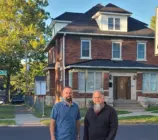
City of Sedalia – January 6, 2026 – At the December 1, 2025 City Council meeting, representatives from The Embassy, a local recovery and transitional housing program serving men in Pettis County, delivered a comprehensive presentation outlining the organization’s mission, program structure, personal impact stories, and facility improvement needs supported by opioid settlement funding.
Embassy leadership and board members shared information about the organization’s focus on helping individuals transition from addiction, homelessness, and incarceration into long term sobriety, stable employment, and productive participation in the community. They emphasized that many participants enter the program after experiencing significant childhood trauma, family instability, substance abuse, and limited access to early intervention or support systems.
During the presentation, a program participant named Aaron shared his personal recovery story, describing a childhood marked by violence, addiction, and loss, followed by years of substance abuse. He explained that through the Embassy program, he has now maintained sobriety for more than two years, secured steady local employment, owns his own vehicle, and actively mentors others within the program. He credited the Embassy with providing structure, accountability, and a foundation that allowed him to rebuild his life and develop a sense of purpose.
Embassy leadership noted that while participants initially rely heavily on staff support, many later become leaders and mentors themselves, assisting with outreach and peer support efforts across Pettis County. The program currently serves up to 21 individuals between two facilities.
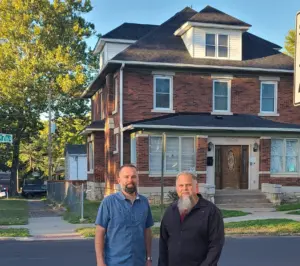
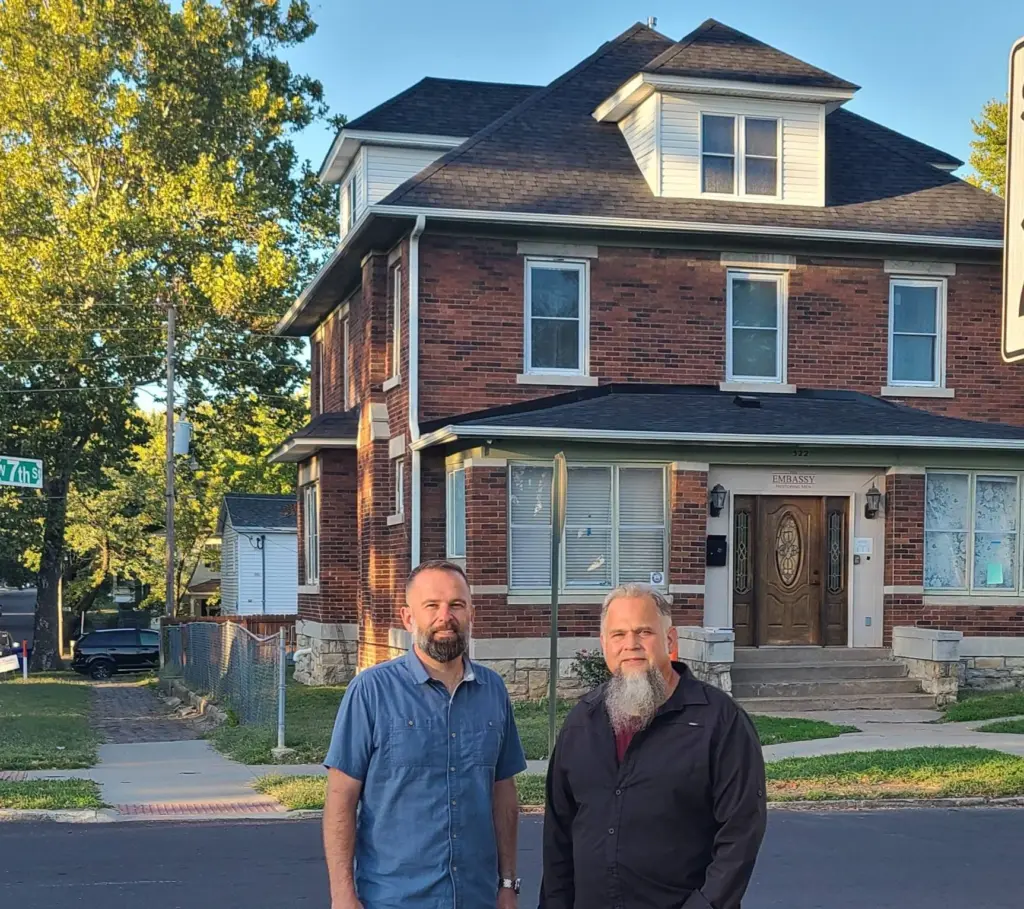
Council members asked questions regarding program length, structure, and accountability. Embassy representatives explained that the program typically lasts six months and is divided into phases. Participants begin at the intake facility located at 602 South Moniteau, where they spend the first three months sharing rooms to promote humility, accountability, and structure. Upon successfully completing program requirements, participants may transition to 322 West 7th Street, where they are provided individual bedrooms, greater privacy, and additional preparation for independent living and program exit.
Daily expectations and requirements were also discussed. Embassy leadership described a highly structured schedule that includes curriculum-based classes, homework, community service, and church attendance. During the first three weeks, residents are not permitted to leave the property without a chaperone and are not allowed to work. This period is designed to help individuals stabilize, complete program requirements, and obtain necessary identification and documentation. After three weeks, residents are required to secure employment, open a bank account, and adhere to a regimented daily schedule that supports sobriety and long-term stability.
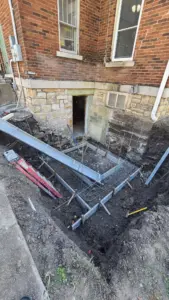
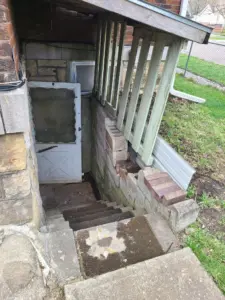
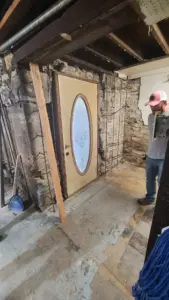
The presentation also included an update on facility improvements funded through opioid settlement allocations previously approved by the City Council. The Embassy originally requested $150,000 in funding, of which $60,995.53 has been billed to date, with $89,004.47 currently listed as work in progress. Completed and ongoing projects include roof replacement, foundation and basement entry repairs, structural stabilization, classroom and meeting space improvements, and soffit and fascia upgrades.
Additional infrastructure needs were outlined for both properties. These include replacement of outdated plumbing and water systems, HVAC upgrades, window replacement, roof replacement at one location, renovation of upstairs and downstairs apartment spaces, and replacement of an exterior fire escape to meet safety and egress requirements.
Staffing needs were a significant focus of council discussion. Embassy representatives explained that live-in staff are required at both facilities 24 hours a day to provide supervision, accountability, and crisis response. These staff members are primarily volunteers, often alumni of the program, who serve as housing monitors and mentors. Currently, one staff member resides at 322 West 7th Street and two reside at 602 South Moniteau.
The proposed apartment renovations would not increase resident capacity but would significantly improve living conditions for staff. Planned improvements include functional kitchenettes, private bathrooms, showers, and basic living accommodations. Embassy leadership emphasized that improved staff housing is essential for staff wellbeing, retention, and long-term sustainability, particularly given the intensity of working with individuals entering the program directly from homelessness, incarceration, or long-term addiction.
City staff confirmed during the meeting that opioid settlement funds are restricted to eligible uses related to treatment, recovery, and rehabilitation infrastructure and cannot be reallocated for unrelated city expenses. Staff also reported that approximately $256,000 in opioid settlement funds remain uncommitted at this time.
Following discussion, a motion was made and seconded to include the Embassy’s request for an additional $200,000 in opioid settlement funding in the City’s next fiscal year budget for consideration. The motion passed unanimously, and the request will proceed through the City’s standard budget process.
The City of Sedalia continues to evaluate opioid settlement funding requests with a focus on transparency, accountability, and alignment with settlement guidelines, while supporting programs that address substance use recovery and long-term community wellbeing.